
- Welcome, please select your destination, we will be happy to provide the best service.
What to Bring When Visiting Karst Rammang-Rammang, South Sulawesi
31 October 2025 4x Trip
Visiting Karst Rammang-Rammang in South Sulawesi is an adventure unlike any other. This area, famous for its stunning limestone hills, crystal-clear rivers, and lush greenery, offers travelers a chance to experience nature at its most pristine. However, exploring this beautiful landscape requires preparation. Knowing what to bring can make your visit safer, more comfortable, and more enjoyable. In this article, we will guide you through the essential items you should carry when visiting Karst Rammang-Rammang.

1. Proper Footwear
One of the most important items to bring is proper footwear. The terrain in Rammang-Rammang is often uneven, with limestone formations, mud paths, and slippery riverbanks. Hiking shoes or sturdy trekking sandals are recommended. They should have good grip, be water-resistant, and provide support for long walks. Avoid flip-flops, as they can be dangerous when climbing rocks or crossing streams.
2. Clothing for the Outdoors
Clothing is another essential consideration. Light, breathable, and quick-drying fabrics are ideal, as the weather in South Sulawesi can be hot and humid during the day and cooler in the early morning or evening. Long sleeves and pants can help protect against mosquito bites, thorny plants, and sunburn. A waterproof jacket or poncho is also useful in case of sudden rain. Layering is key, especially if you plan to trek early in the morning when temperatures are cooler.
3. Sun Protection
Even though some parts of the area are shaded by limestone hills and trees, sun protection is still important. Bring a wide-brimmed hat or cap, sunglasses with UV protection, and sunscreen with a high SPF rating. Reapply sunscreen every few hours, especially if you are sweating or after crossing rivers. Sunburn can quickly ruin your outdoor experience, so don’t underestimate this simple precaution.
4. Snacks and Hydration
Exploring Karst Rammang-Rammang can be physically demanding, so staying hydrated and energized is crucial. Bring enough drinking water, ideally in reusable bottles, to avoid plastic waste. Light snacks such as nuts, energy bars, dried fruits, or sandwiches can provide quick energy during long treks. If you are planning a longer tour, consider packing more substantial food items or arranging for a local guide who can provide meals.
5. Personal Medication and First Aid
Carrying basic medication and a small first aid kit is essential. Include items like pain relievers, antihistamines for allergies, bandages, antiseptic wipes, and any personal prescription medication. Even a small cut or insect bite can become problematic if not treated properly. A small insect repellent spray is also highly recommended, as mosquitoes are common in the tropical environment.
6. Waterproof Bags and Covers
Given the rivers and occasional rain in the area, waterproof bags or dry sacks are very useful. These can protect your electronics, important documents, and clothes from getting wet. A rain cover for your backpack is a simple and effective solution. If you plan to take photographs near rivers or waterfalls, waterproof cases for cameras and smartphones will help safeguard your equipment.
7. Camera or Smartphone
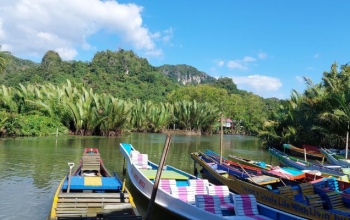
Karst Rammang-Rammang is incredibly photogenic. Limestone cliffs, hidden caves, traditional villages, and winding rivers offer countless photo opportunities. Bring a camera or a smartphone with a good camera. Consider extra batteries or a portable power bank, as there might be limited charging facilities in remote areas. For those who love drone photography, check local regulations and be mindful of privacy and safety rules.
8. Maps, Guides, or Navigation Tools
Even though the area has marked trails, having a map or GPS device can be very helpful, especially if you want to explore less-visited spots. Local guides are highly recommended because they can provide insights into the history, culture, and natural environment that you might otherwise miss. Guides also enhance safety by helping you navigate tricky terrain and avoiding restricted or dangerous areas.
9. Swimming Gear
Some areas in Karst Rammang-Rammang have rivers, caves, and natural pools suitable for swimming. If you enjoy water activities, bring a swimsuit, towel, and a quick-drying change of clothes. Water shoes can be useful for walking on slippery rocks or shallow rivers. Always pay attention to local safety instructions and currents.
10. Eco-Friendly Essentials
As a pristine natural area, Karst Rammang-Rammang benefits from responsible tourism. Bring reusable water bottles, utensils, and containers to minimize plastic waste. Avoid leaving any trash behind, and respect local flora and fauna. Small items like biodegradable soap, wet wipes, and a small trash bag can help keep the environment clean while maintaining your personal hygiene.
11. Flashlight or Headlamp
If you plan to explore caves or stay for an early morning or late evening trek, a flashlight or headlamp is essential. Many caves are dark and require reliable light for safe navigation. Bringing extra batteries is also a good idea. Headlamps are particularly convenient because they free your hands for climbing or navigating rocky areas.
12. Notebook or Travel Journal
For travelers who enjoy documenting their experiences, a small notebook or travel journal can be very rewarding. You can write down observations about wildlife, sketch the limestone formations, or record your personal reflections. This is especially useful for nature enthusiasts, photographers, and writers who want to preserve their memories beyond photos.
13. Local Currency
While visiting rural or remote areas like Rammang-Rammang, it’s important to carry sufficient cash. Many small shops, local guides, or boat rentals may not accept credit cards. Indonesian Rupiah in small denominations is especially useful for tips, snacks, or transportation.
14. Personal Identification and Permits
Always bring a copy of your ID or passport. Some areas may require permits or entrance fees, and having identification makes the process smoother. If you are hiring a guide or renting equipment, your ID may also be necessary. Keeping digital copies on your phone is a smart backup in case of loss.
Conclusion
Visiting Karst Rammang-Rammang is a unique opportunity to experience the natural beauty of South Sulawesi. By bringing the right items, you can ensure a safe, comfortable, and enjoyable trip. Proper footwear, suitable clothing, sun protection, hydration, and essential tools like cameras, maps, and first aid kits are just the beginning. Adding eco-friendly practices and thoughtful preparation allows you to explore this remarkable area while respecting and preserving it for future visitors. With careful planning, your adventure to Karst Rammang-Rammang will be memorable, inspiring, and deeply rewarding.

Maybe you are interested in reading the following article:
Jalur Pendakian Gunung Lompobattang Via Lembang Bune
Gunung Lompobattang adalah salah satu gunung yang menjadi ikon Sulawesi Selatan. Dengan ketinggian 2.874 meter di atas permukaan laut (mdpl), gunung ini berdiri gagah sebagai atap Sulawesi Selatan, menyimpan berbagai kisah, legenda, dan sejarah panjang yang melekat dalam budaya masyarakat setempat. Puncaknya bukan hanya sekadar titik tertinggi, melainkan jug... read more

Peta dan Rute Pendakian Lembah Lohe Terbaru 2025
Sulawesi Selatan memang tidak pernah berhenti mempesona dengan bentang alamnya yang luar biasa. Di antara banyak destinasi pegunungan yang mulai naik daun dalam beberapa tahun terakhir, nama Lembah Lohe muncul sebagai salah satu primadona baru. Berada di ketinggian 1.917 mdpl, lembah ini diapit gagah oleh tiga gunung besar, yaitu Gunung B... read more
Pengetahuan Dasar Orientasi Peta dan Navigasi Darat
Orientasi peta dan navigasi darat merupakan keterampilan dasar yang sangat penting bagi siapa pun yang sering melakukan kegiatan di alam bebas, seperti pendaki gunung, pramuka, anggota pencinta alam, hingga personel militer. Pengetahuan ini memungkinkan seseorang untuk menentukan posisi, arah, dan rute perjalanan dengan tepat, meskipun berada di daerah terpe... read more


PAKET PRIVATE TRIP PENDAKIAN LEM...
*Start Rp 1.500.000 / pax

TOUR SEKELUARGA HEALING - Trip and Tour Service Operator for Tourism and Trekking in South Sulawesi
PT. Sekeluarga Healing Adventure | Basecamp: BTN Mangga Tiga Daya Kota Makassar, Sulawesi Selatan, Indonesia 90241
Contact Us
If you have any questions, please contact us.
-
Hotline
081316026384 -
Whatsapp
081316026384 -
Email
amiruddinemail@gmail.com

